
NIH Natural History Study
Purine and Pyrimidines

Be Part of Something Bigger: Join the Lesch-Nyhan Natural History Study
Every family’s journey with Lesch-Nyhan is unique—but together, those experiences can help shape the future.
Right now, an important natural history study is underway to better understand disorders of purine metabolism, including Lesch-Nyhan. These studies look at how a condition changes over time, helping researchers connect the dots between symptoms, progression, and potential treatments.
But this kind of progress doesn’t happen without you.
By choosing to participate, you’re not just sharing information—you’re helping researchers ask better questions, design better studies, and move closer to meaningful treatments. What is learned today could directly impact the care and options available for children and families tomorrow.
We understand that joining a study is a personal decision. That’s why we’re here to help guide you, answer questions, and connect you with the right resources every step of the way.
If you’ve ever wondered how you can make a difference, this is one powerful way.
👉 Learn more and sign up here: Shannon Haines
Together, we are building knowledge, strengthening community, and creating hope for what’s ahead.
-
This Purine and Pyrimidine research aims to learn how Purine and Pyrimidine conditions change over time and to uncover the underlying biological mechanisms. Participation may include:
Genetic testing (DNA collection and analysis)
Blood, body fluid, and tissue samples
Enzyme and biochemical testing
Microbiome (gut health) analysis
Optional skin biopsy for some participants
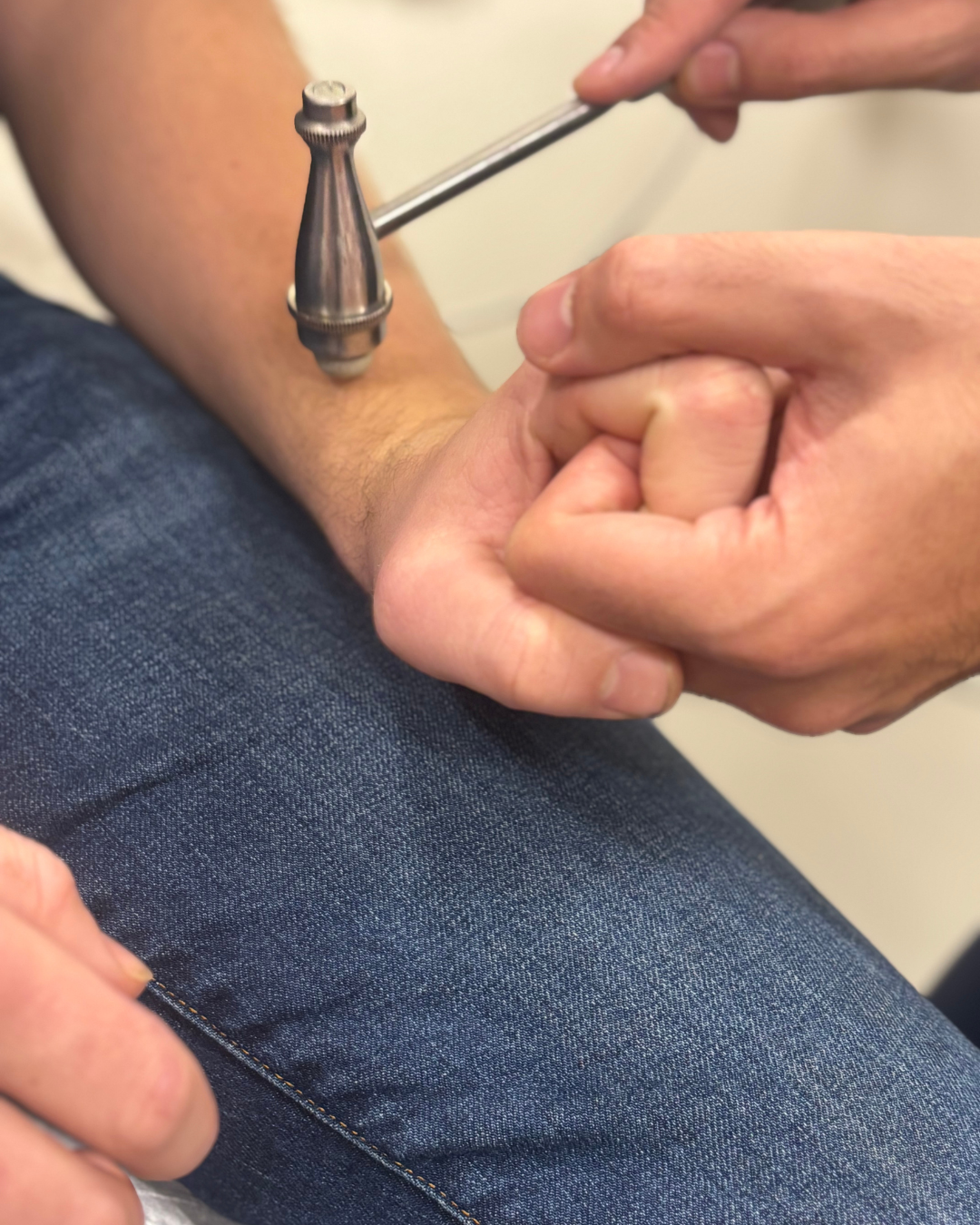
Medical evaluations, lab work, and imaging at NIH
All collected data helps researchers:
Better understand disease progression
Identify potential biomarkers
Develop models that could guide future treatments
-
Participation begins with convenient telehealth appointments, followed by the option of one in-person visit per year at the NIH Clinical Research Center in Bethesda, Maryland. The NIH team can also help answer questions about travel, lodging, and logistics. Contact Shannon
-
Individuals diagnosed with Lesch-Nyhan
Carriers of Lesch-Nyhan
Every participant plays a critical role in moving research forward.
Those who participate will be contributing to the Lesch-Nyhan Natural History Study that will be there to help contribute to researchers worldwide.
Currently this study is open to US and Canadian families.
-
The National Institutes of Health (NIH) is currently enrolling individuals across the full spectrum of Lesch-Nyhan—including both classic and variant forms. Including the entire range of presentations is important because it helps researchers better understand how the condition can differ from person to person, identify patterns, and uncover insights that might be missed when looking at only one form. This broader picture ultimately strengthens the research and supports the development of more informed care and future treatment approaches.
-
If you’re interested or just want to explore whether this is a good fit for your family, we encourage you to reach out:
📧 Shannon Haines, CGC
shannon.haines@nih.govYou’ll be able to ask questions, learn more about the process, and decide what feels right for you
-
-
Slide Deck with Pictures of the accommodations, copy of a sample schedule, Dr. Olegs team and some pictures of the mentioned studies.
-
Yes—air travel is covered. The NIH will arrange and pay for your flights and accommodations during your visit. They also provide a stipend to help cover meals for family members participating in the study.
If you have any questions or want to talk through the details, feel free to reach out to Shannon.
Contact information for Shannon
-
Study Start (Actual)
2023-12-19
Primary Completion (Estimated)
2099-01-01
Study Completion (Estimated)
2099-01-01
Enrollment (Estimated)
999
Study Type
Observational
-
AMPD3, OMIM*102772, AMP Deaminase DeficiencyAK1, OMIM *103000, Adenylate Kinase DeficiencyAMPD1, OMIM *102770, Myopathy Due to Myoadenylate Deaminase DeficiencyTPMT, OMIM *187680, Thoipurines, Poor Metabolism ofIMPDH1, OMIM *146690, Retinitis Pigmentosa Type 10, Leber Congenital Amauriosis Type 11APRT, OMIM *102600, Adenine Phosphoribosyltransferase DeficiencyHPRT1, OMIM *308000 Lesch-Nyhan DiseaseXDH, OMIM *607633, Xanthinuria Type 1SLC2A9, OMIM *606142 HypouricemiaSLC22A12, OMIM *607096 HypouricemiaPRPS1 Def, OMIM *311850, Arts Syndrome; Charcot-Marie-Tooth DiseasePRPS1 SA, OMIM *311850 Gout, PRPS-related Phosphoribosylpyrophosphate Synthetase SuperactivityAMPD2, OMIM *102771, Spastic Paraplegia 63; Pontocerebellar HypoplasiaITPA, OMIM *147520, Inosine Triphosphatase Deficiency; Developmental and Epileptic Encephalopathy 35ADSL, OMIM *608222, Adenylosuccinate Lyase DeficiencyPNP, OMIM *164050, Nucleoside Phosphorylase DeficiencyADA2, OMIM *607575,Sneddon Syndrome; VAIHSCAD, *1140120, Developmental and Epileptic EncephalopathyUPB1, OMIM *606673, Beta-ureidopropionase DeficiencyDPYS, OMIM *613326, Dihydropyrimidinase DeficiencyDPYD, OMIM *274270, Dihydropyrimidine Dehydrogenase DeficiencyDHODH, OMIM *126064, Miller Syndrome (Postaxial Acrofacial Dysostosis)UMPS, OMIM *613891, Orotic AciduriaNT5C3A<TAB>, OMIM *606224, Anemia, Hemolytic, Due to UMPH1 DeficiencyUNG, OMIM *191525, Hyper-IgM Syndrome 5AICDA, OMIM *605257, Immunodeficiency With Hyper-IgM, Type 2; HIGM2Purine-Pyrimidine MetabolismMetabolic Disease
Other Study ID Numbers
10001625
001625-HG
Study Start (Actual)
2023-12-19
Primary Completion (Estimated)
2099-01-01
Study Completion (Estimated)
2099-01-01
Enrollment (Estimated)
999
Study Type
Observational
Resource links provided by the National Library of Medicine
MedlinePlus Genetics related topics: Adenylosuccinate lyase deficiency Miller syndrome Dihydropyrimidine dehydrogenase deficiency Gout Lesch-Nyhan syndrome Dihydropyrimidinase deficiency Phosphoribosylpyrophosphate synthetase superactivity Adenosine monophosphate deaminase deficiency Hereditary neuropathy with liability to pressure palsies Arts syndrome Hereditary xanthinuria Pontocerebellar hypoplasia Charcot-Marie-Tooth disease Beckwith-Wiedemann syndrome Beta-ureidopropionase deficiency X-linked hyper IgM syndrome Retinitis pigmentosa Adenine phosphoribosyltransferase deficiency Purine nucleoside phosphorylase deficiency
MedlinePlus related topics: Anemia Charcot-Marie-Tooth Disease Metabolic Disorders
Genetic and Rare Diseases Information Center resources: Adenosine monophosphate deaminase deficiency Adenine phosphoribosyltransferase deficiency Hereditary xanthinuria type 1 Arts syndrome Charcot-Marie-Tooth disease Hereditary spastic paraplegia 63 Pontoneocerebellar hypoplasia Adenylosuccinate lyase deficiency Purine-nucleoside phosphorylase deficiency Sneddon syndrome Cold agglutinin disease Deficiency of beta-ureidopropionase Dihydropyrimidinase deficiency Dihydropyrimidine dehydrogenase deficiency Miller syndrome Hereditary orotic aciduria Hyper-IgM syndrome type 5 Hyper-IgM syndrome type 2
-
Once enrolled you will be followed for life (or as long as the study continues 1-2099).
You can withdraw at any time.
-
This Study does include carriers.
The NIH is interested in working with family members that are affected and those who are carriers.
Lesch-Nyhan Research Participation & Clinical Studies — Love Never Sinks

Help Advance Research in Lesch-Nyhan:
Join the NIH Study
There is an exciting opportunity for individuals and families affected by Lesch-Nyhan to contribute to meaningful research that could shape the future of care and treatment.
The National Institutes of Health (NIH), through the National Human Genome Research Institute (NHGRI), is currently conducting a natural history study to better understand disorders of purine and pyrimidine metabolism—including Lesch-Nyhan.
What does this study involve?
This research aims to learn how these conditions change over time and to uncover the underlying biological mechanisms. Participation may include:
Genetic testing (DNA collection and analysis)
Blood, body fluid, and tissue samples
Enzyme and biochemical testing
Microbiome (gut health) analysis
Optional skin biopsy for some participants
Medical evaluations, lab work, and imaging at NIH
All collected data helps researchers:
Better understand disease progression
Identify potential biomarkers
Develop models that could guide future treatments
What to expect
Participation begins with convenient telehealth appointments, followed by the option of one in-person visit per year at the NIH Clinical Research Center in Bethesda, Maryland. The NIH team can also help answer questions about travel, lodging, and logistics.
Who should consider joining?
Individuals diagnosed with Lesch-Nyhan
Carriers of Lesch-Nyhan
Every participant plays a critical role in moving research forward.
Ready to learn more or sign up?
If you’re interested or just want to explore whether this is a good fit for your family, we encourage you to reach out:
📧 Shannon Haines, CGC
shannon.haines@nih.gov
You’ll be able to ask questions, learn more about the process, and decide what feels right for you

The NIH is currently conducting a study that will explore the natural history and mechanisms of novel or known but incompletely characterized disorders of pyrimidine and purine metabolism (DPPMs). Eligible participants will be ascertained by identifying biochemical abnormalities in the levels of purines, pyrimidines and related compounds in body fluids, abnormal activity of enzymes, and/or identifying pathogenic variants in genes linked to purines and pyrimidine metabolism. We will collect participants DNA for genetic and genomic analyses, body fluids for biochemical analysis, blood and tissue samples for enzyme analysis, gastrointestinal samples for microbiome analysis. Some participants may undergo skin biopsy. Study subjects will be offered medical, laboratory, and imaging studies at the NIH Clinical Research Center consistent with the standards of care. Collected data will be analyzed to improve understanding of the natural history, develop statistical prediction models, identify and validate novel biomarkers.
Those affected by Lesch-Nyhan as well as Lesch-Nyhan carriers are encouraged to contact Shannon Haines for more information.
There is an opportunity to participate in a natural history protocol at the National Institutes of Health (NIH) through National Human Genome Research Institute (NHGRI) in Bethesda, Maryland. Dr. Oleg Shchelochkov, MD and Shannon Haines, CGC are part of the Purine and Pyrimidine Unit of NHGRI and are available for questions. Participation starts via telehealth appointments and involves one weekly visit to the NIH annually. If you have questions about this opportunity, including travel/stay/logistics please contact shannon.haines@nih.gov to set up a phone/video conversation!

Dr. Oleg Shchelochkov
Shannon Haines